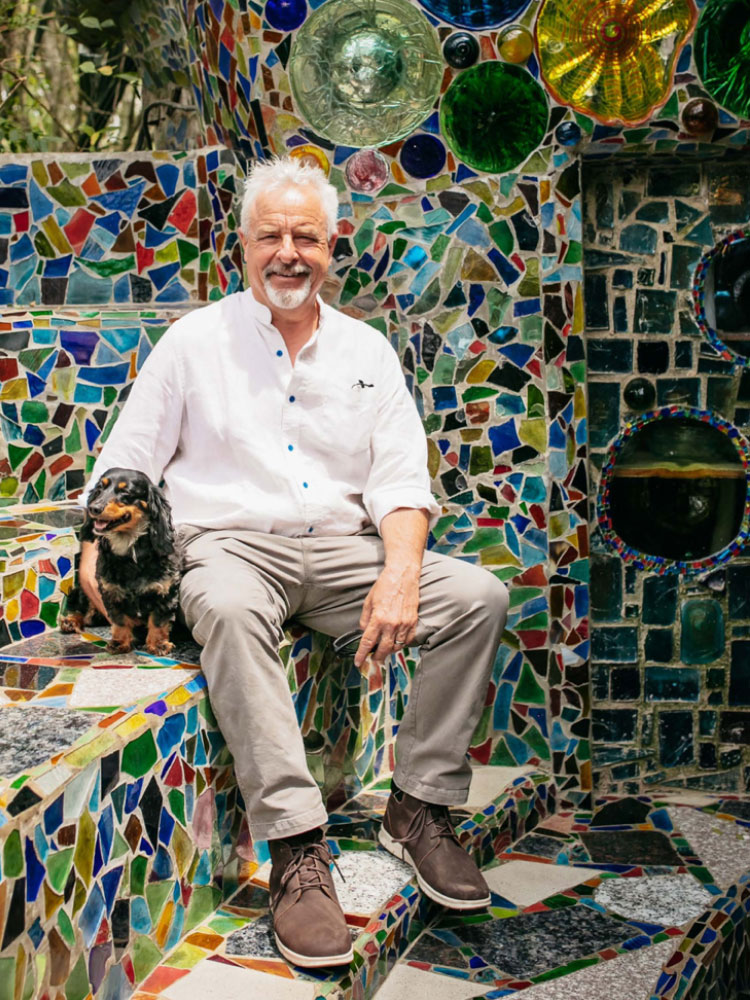
A Life Drawn to Origin
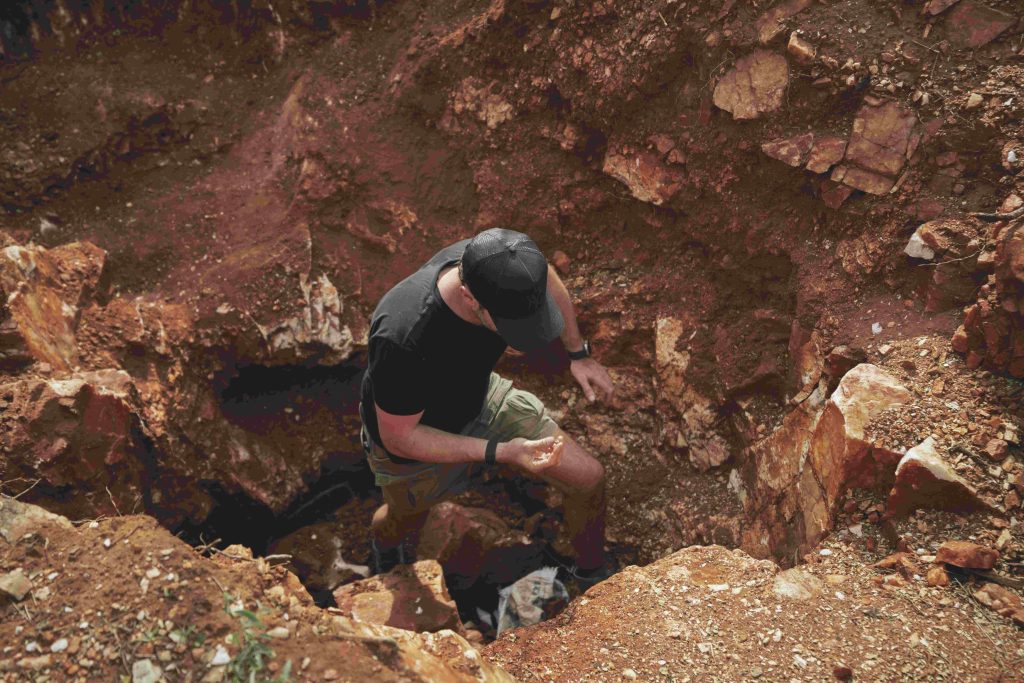
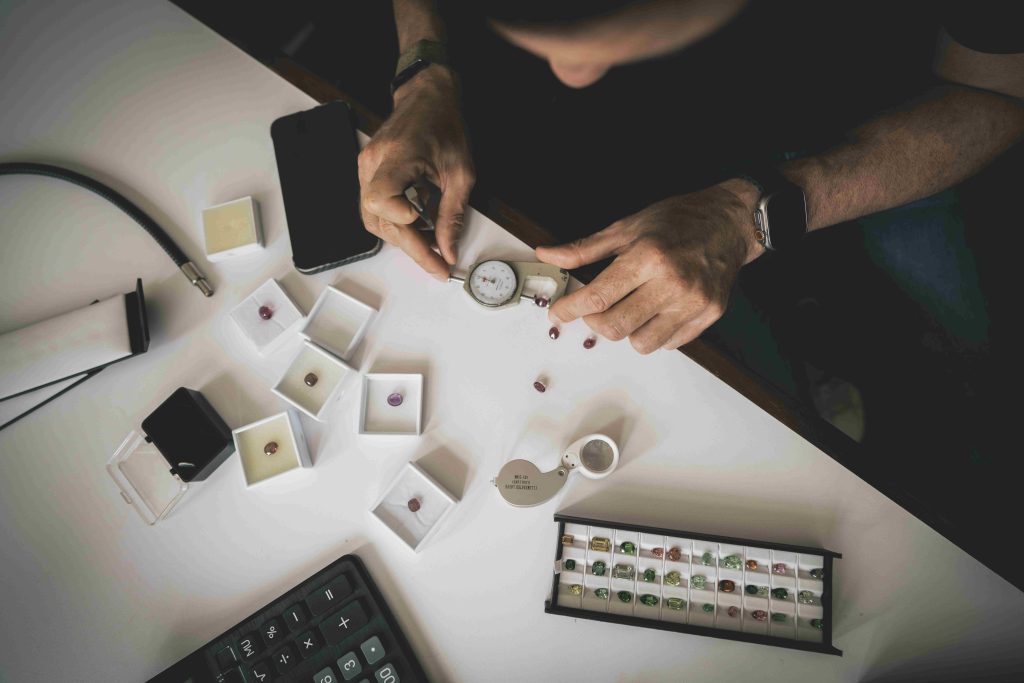
When Iver first arrived in Zimbabwe in the late 1990s, he was working as a safari guide — far removed from the polished world of high jewellery. “I started going to the places where these stones come from,” he reflects, guided more by instinct than industry norms. He later moved to Tanzania to establish a textile factory, marking his first step in building something of his own in the region. But it was that early proximity to landscape, terrain and the unpredictability of nature that ultimately shaped his approach to sourcing. By 2008, he had entered the gemstone trade, travelling directly to mining regions, building relationships and understanding the realities behind each stone. What emerged from those years was a perspective rarely found in the industry: gemstones not as commodities, but as journeys. As Iver puts it, “Gemstones may be plentiful, but extraordinary ones are not.”
The Meeting of Perspective and Form
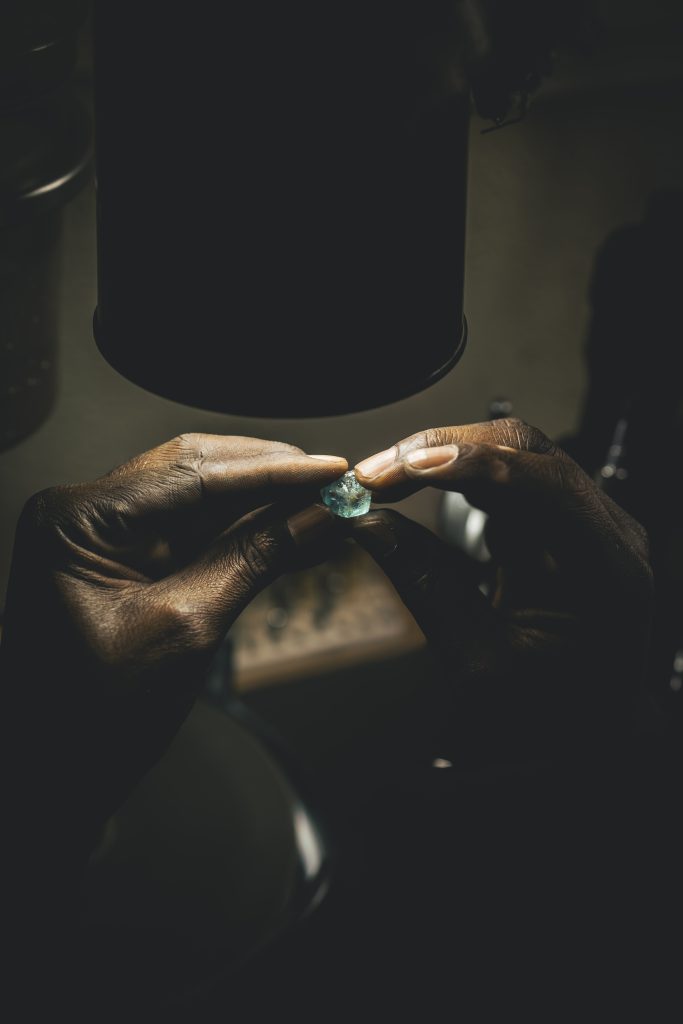
If Iver’s work is grounded in the field, Jhaleh’s is shaped by vision. With a background in art and photography, and an aesthetic language influenced by her Iranian heritage and East African upbringing, she approaches jewellery with a sensitivity that feels both intuitive and refined. “I always work from the stone outward,” she explains. “The stone dictates the design.” Their partnership, formed in Tanzania, is defined by constant exchange — ideas moving fluidly between sourcing and design. There is no rigid separation between roles, only a shared process that evolves through dialogue. “There is a lot of synergy,” Jhaleh notes — a collaboration that feels instinctive rather than structured.
A Different Way of Working
The traditional gemstone journey is long and fragmented. A stone may pass through numerous intermediaries before reaching its final owner, each step adding distance—from
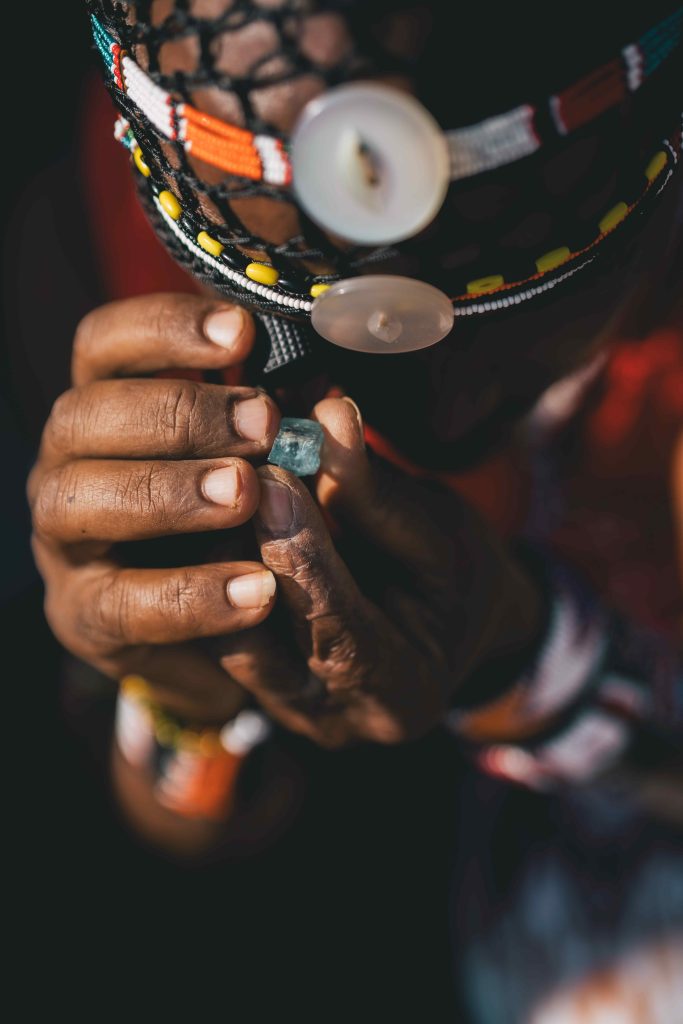
origin, from story, from meaning. Rosenkrantz has chosen a more direct path. “Normally a gemstone will change hands nine to eleven times,” Iver explains. “In our case, it will only change hands two to three times.” By working closely with mining communities and sourcing stones at their origin, the house shortens that journey significantly. This preserves something essential: the connection between the stone and its source. It also allows for a more considered distribution of value, ensuring those closest to the origin remain part of the story in a tangible way.