Search Luxury Life Kenya

Generic selectors
Exact matches only
Search in title
Search in content
Post Type Selectors


Could 2026 Be An Exceptional Year For Champagne?


By LLK Digital

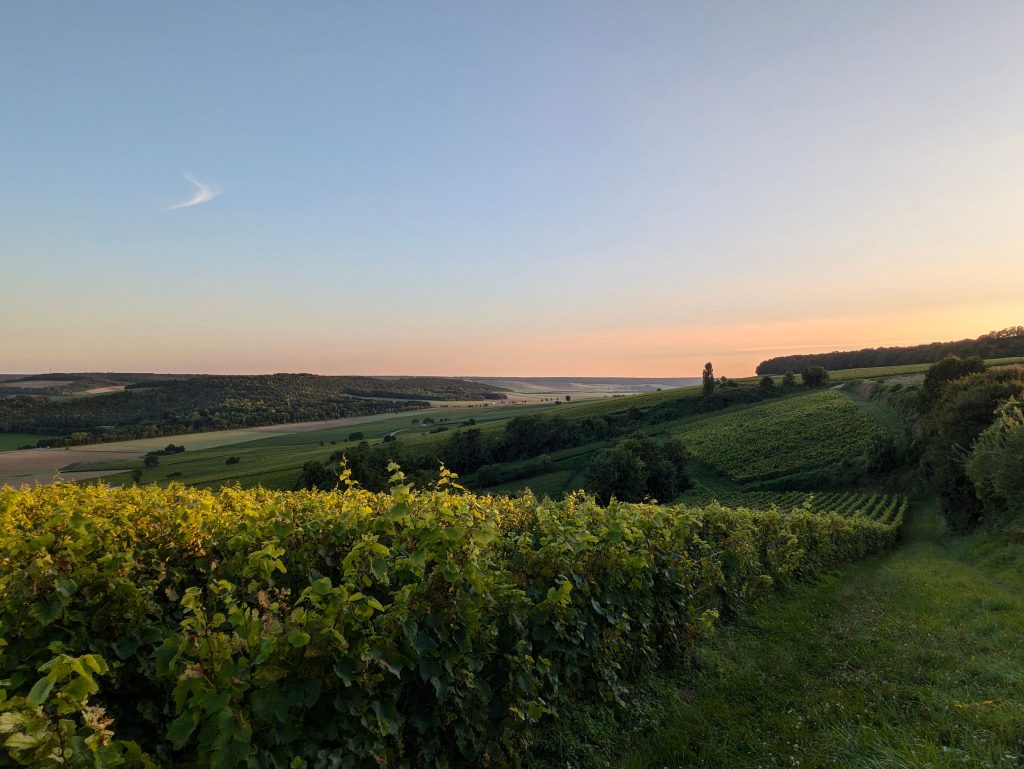
After a summer of punishing heat across Europe, an unexpected story is emerging from northeastern France. Champagne’s harvest is considerably smaller, but the grapes that survived may be exceptional.

Finally, a little good news from the heat?

In Champagne, the 2026 harvest has delivered something of a paradox. Spring frost, drought and intense summer heat have taken their toll on the vineyards, with France’s agriculture ministry expecting production in the region to fall by almost half compared with last year.

And yet, the grapes that made it through are looking remarkably good.

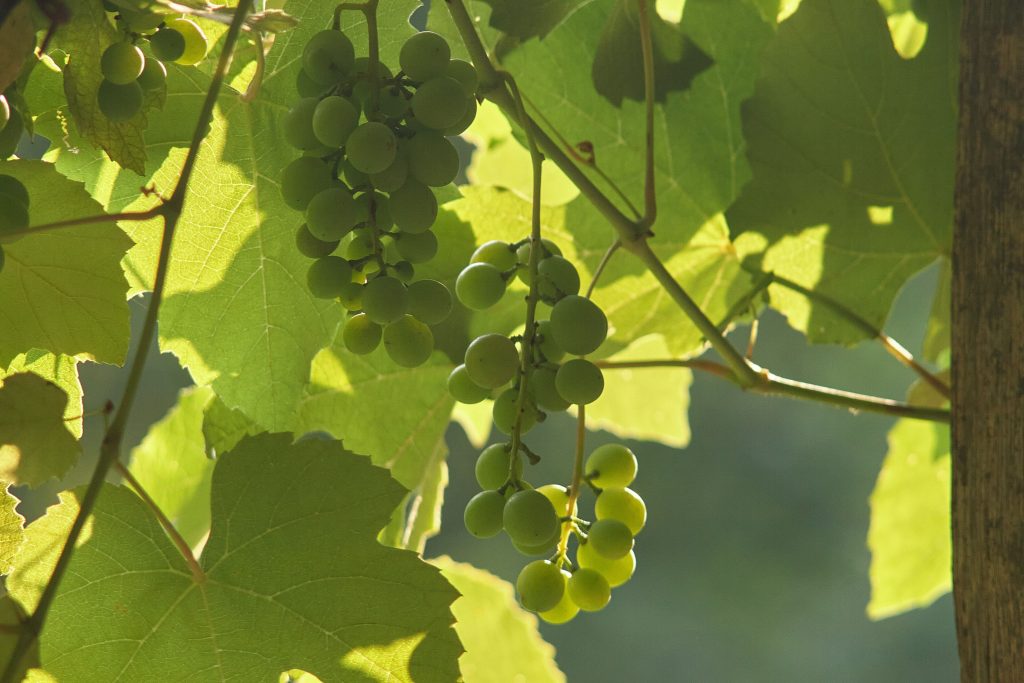
Producers have described the quality as exceptional. The fruit is ripe and healthy, with very little mildew, giving winemakers reason for optimism about what may eventually emerge from the cellars.

It has also been an extraordinarily early year.

The official Champagne harvest began on 12 August, more than a week earlier than in 2025, while some growers were permitted to begin picking as early as 6 August. Across France, harvest dates have moved forward by an average of around three weeks over the past 50 years.

The reason is increasingly difficult to ignore. Warmer temperatures accelerate ripening. Grapes accumulate sugar faster, while prolonged dry weather can reduce the fungal diseases that flourish in wetter conditions.

For Champagne, that can occasionally produce beautiful fruit. But it also creates a problem.

Champagne depends on acidity for its freshness, precision and longevity. As temperatures rise, grapes can become sweeter while losing acidity, potentially resulting in higher alcohol levels and gradually changing the character of the wines themselves.

So while 2026 may eventually prove to be an excellent vintage, it would be difficult to call climate change good news for Champagne. The same conditions that produced unusually ripe and healthy grapes have also contributed to a dramatically smaller crop.

And Champagne is hardly alone.

Across Europe, the agricultural calendar is shifting. Crops are reaching maturity earlier as temperatures rise, while extreme heat and drought are simultaneously putting yields under pressure. Wine simply offers one of the most elegant, and visible, examples of a much larger transformation.

Interestingly, one of the institutions at the centre of the global conversation about that transformation sits some 6,000 kilometres away from the vineyards of Champagne, in Nairobi.

The United Nations Environment Programme, UNEP, has had its global headquarters in the Kenyan capital since 1972. Nairobi was the first UN headquarters established in the Global South, and today UNEP helps set the international environmental agenda and provides the science used to understand issues including climate change, biodiversity loss and pollution.

It makes the story of a Champagne grape surprisingly relevant far beyond France.

From vineyards in northeastern France to farms across Africa, changing temperatures are already influencing what can be grown, when it can be harvested and, increasingly, what producers must do to adapt.

For Champagne, adaptation is already underway. Growers are looking at more resilient grape varieties and different ways of managing water in the soil. The region also has another advantage: its vast reserves of wine from previous harvests, which Champagne houses can blend into future non-vintage cuvées when a particular year’s crop is small.

The irony is difficult to miss.

One of the most challenging summers for French agriculture may have produced some particularly promising Champagne grapes.

Whether 2026 ultimately becomes a vintage collectors remember will take time to discover. But for now, amid a climate story usually dominated by bad news, Champagne has given us one intriguing silver lining.

Less Champagne, perhaps. But possibly something rather special in the bottle. □



MUST READ