Search Luxury Life Kenya

Generic selectors
Exact matches only
Search in title
Search in content
Post Type Selectors


ART OF LIVING

GREENHEART KILIFI:

A DIFFERENT RHYTHM OF LIFE

ON THE KENYAN COAST

 
INTERVIEWED BY KENNY MANN
PHOTOGRAPHY BY NATASHA SWEENEY
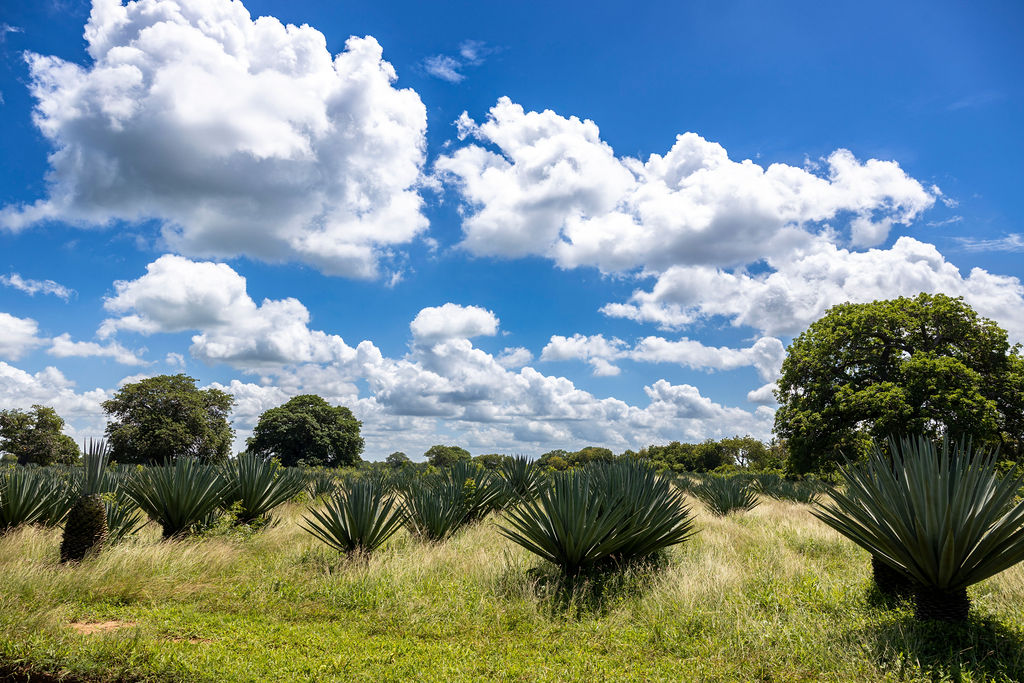
A beautiful scenery of sisal and baobabs surrounding the land that greet you as you dive in.

The road into Kilifi sets the tone before you arrive. For miles, you pass through walls of sisal — row after row of grey-green spikes rising from red laterite soil, their fleshy leaves edged with black thorns, stretching toward a sky that feels wider here than anywhere else. The landscape is ancient and unhurried. Then, turning off the tarmac onto a sandy track, baobab trees appear — enormous, silver barked, their canopies thrown wide like something between sculpture and shelter. You slow down. Not because you have to, but because the place seems to ask it of you.

In cities like Nairobi, London, Paris or New York, life starts at full speed. Phones light up before sunrise. Traffic, meetings, school runs and endless obligations shape the day, while children spend more time indoors than outside. At some point, many began wondering whether this way of living still made sense.

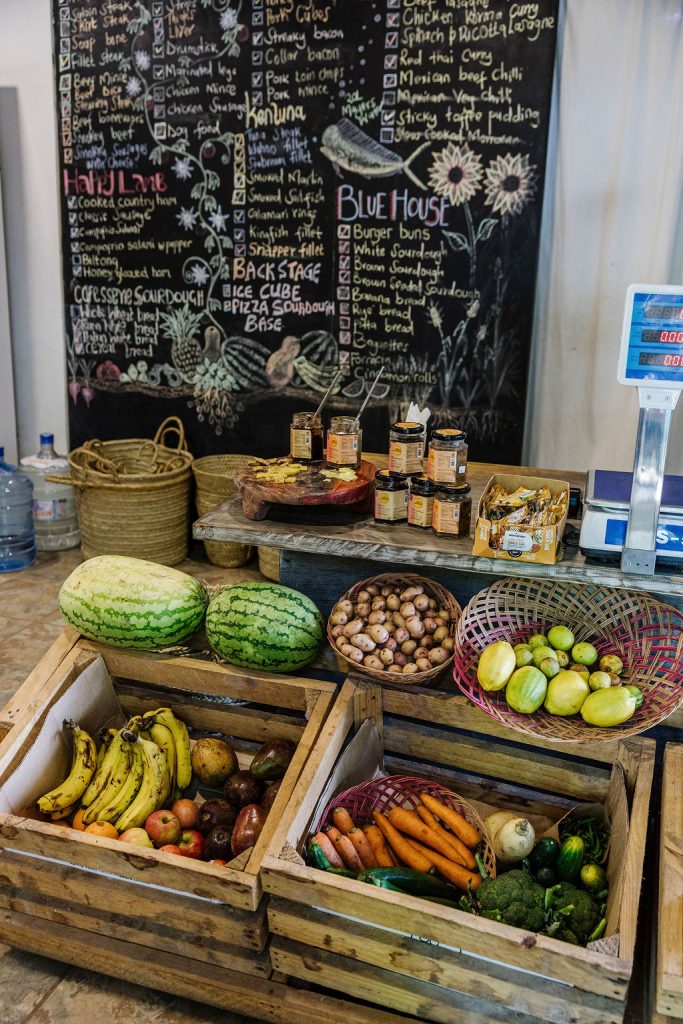
Butter Bean, the mini mart at food movement that sells fresh produce and home goods from Kenyan brands.
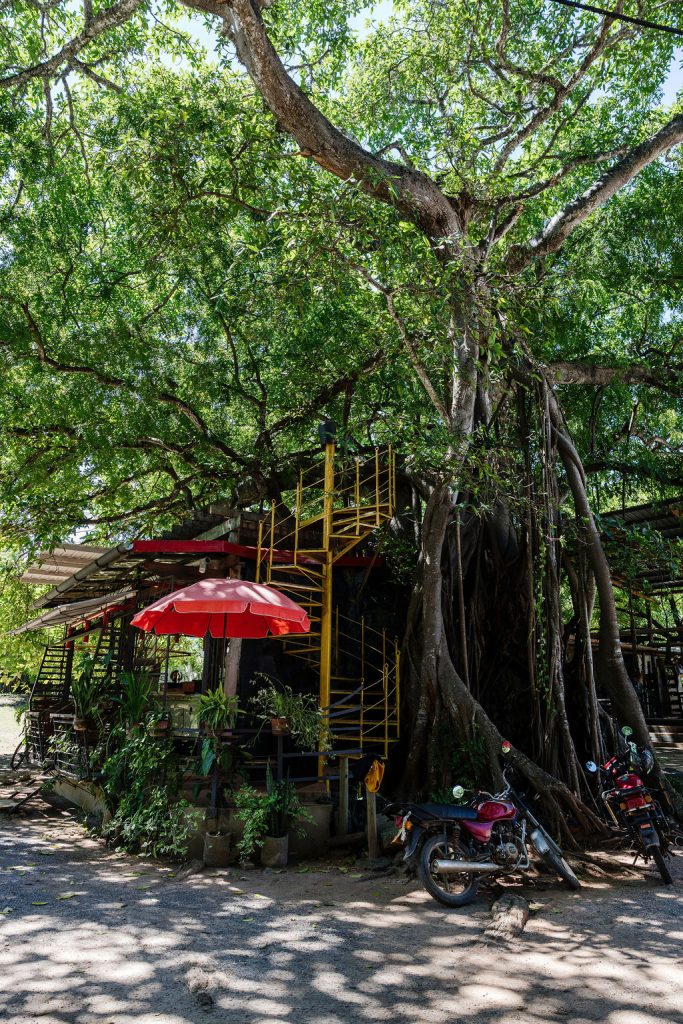
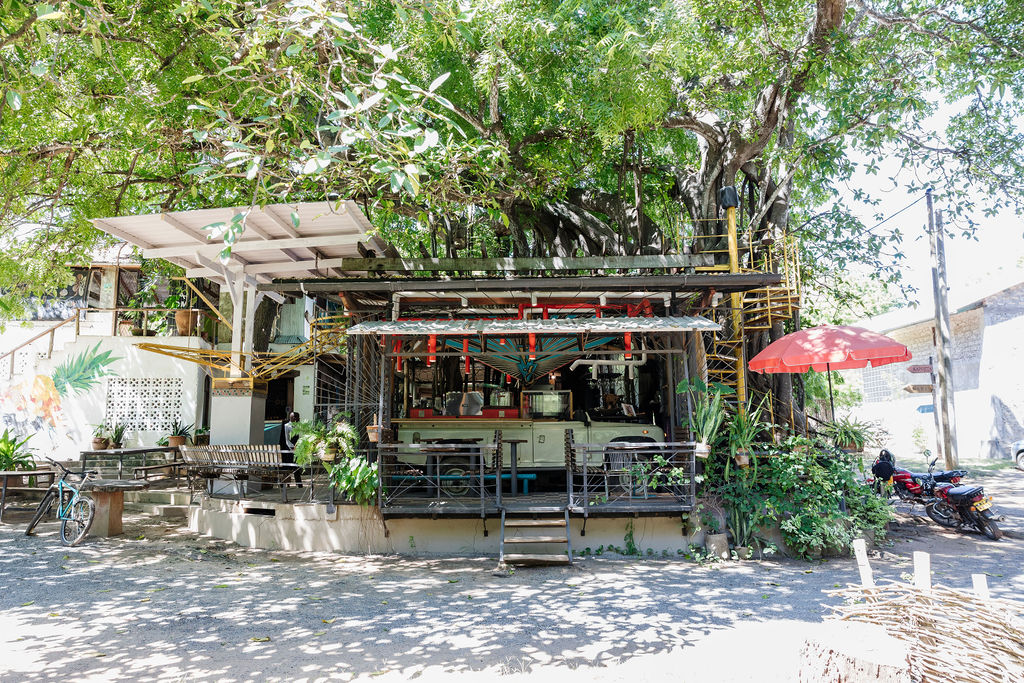
Va Va Voom coffee shop that sits under a huge fig tree (that was once a baobab tree) at The Food Movement

Life at Green Heart feels very different.

Tucked between Takaungu Creek and Kilifi Creek, Green Heart has become the center of this movement and is growing into East Africa’s first regenerative eco town. Children cycle beneath baobab trees on their way to school. Someone stops for coffee at Food Movement before heading to a workshop nearby. Parents move between lunches, meetings and school pickups mostly cycling. Conversations move naturally between architecture, farming, business ideas and dinner plans. People know one another through daily life rather than formal introductions.

Over the past few years, families and entrepreneurs from Kenya, South Africa, Europe and increasingly the United States have started relocating to Kilifi, drawn not only by the coast itself, but by quality of life, ease of doing business, creative freedom and a way of living where time, work, family and community no longer feel separated from one another.

WHAT IS EPZ?

An Export Processing Zone (EPZ) is a designated industrial area where businesses manufacture goods primarily for export while benefiting from incentives such as tax holidays, duty-free importation of machinery and simplified licensing. In Kenya, EPZs are designed to attract investment, create jobs and support export-focused industries. Companies operating within EPZs must export at least 80 percent of their production. Major EPZ hubs include Athi River, Mombasa and Kilifi, with industries ranging from food processing and textiles to manufacturing and design.

Green Heart functions as a living ecosystem where homes, schools, cafés, creative studios, workshops, production spaces, wellness concepts and independent businesses exist alongside one another. 

Roho Distillery at Green Heart's EPZ.

Residents include entrepreneurs, artists, architects, conservationists, digital professionals, young families and long-time coastal residents, creating a community that feels international while remaining deeply connected to Kilifi itself.

Unlike many eco developments centred around retreat or tourism, Green Heart is also a place of business, production and long-term economic activity. What draws many people here is not the idea of slowing down completely, but the possibility of building businesses, raising children and maintaining creativity without splitting life into separate worlds.

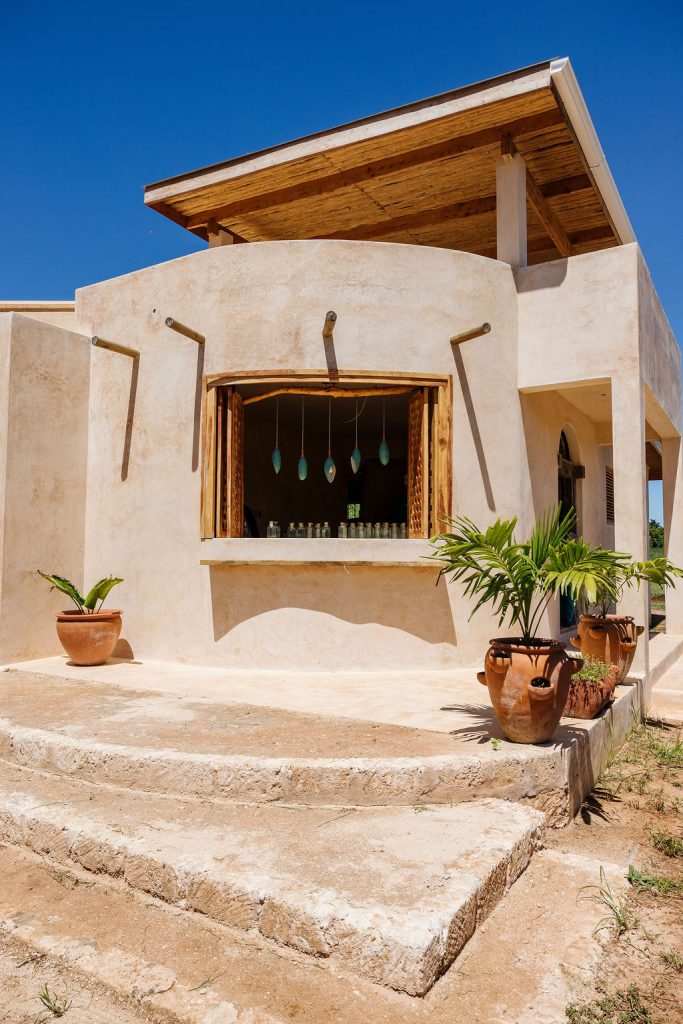
At the centre of the town sits The Food Movement, the social heart of Green Heart. Throughout the day, its cafés, communal tables and open spaces fill with residents and visitors moving between meetings, lunches and collaborations over fresh juices, wood-fired pizzas, specialty coffee, tropical fruit, seafood and farm-to-table dishes sourced from the surrounding coast and countryside. The building itself reflects the vernacular of the coast — lime-rendered walls in warm ochre and cream, arched doorways, a timber-beamed canopy casting shade over the entrance, terracotta pots of green fronds catching the light. Red laterite earth surrounds it on all sides. Nothing feels precious about it.

Around it, the ecosystem continues to grow. Artisan Workshops are opening. Creative studios are expanding. Retail spaces, playgrounds and gathering areas are still taking shape, giving Green Heart the feeling of a place that is already functioning as a community rather than a future vision.

Va Va Voom coffee shop that sits under a huge fig tree (that was once a baobab tree) at The Food Movement.
“Sisal has always belonged to this landscape.”

Nothing feels artificial. Creative spaces open to the outdoors. Furniture carries signs of use. Sandy paths replace pavements. Children roam freely between the cafés at The Food Movement, climbing trees and playing on swings, while flexible schedules and welcoming attitudes replace the pressure and formality of city life.

“You naturally end up knowing people through everyday life here,” says a resident. “Someone restores your car, someone else designs your house, someone’s children become friends with yours. It feels connected in a way that’s difficult to force artificially.”

That sense of connection goes far beyond business.

People gather for dinners, music nights, workshops and conversations that continue long after sunset. In many modern developments, community exists mainly as branding. At Green Heart, it forms through repeated interaction and shared daily life.

The structure of the town itself supports that rhythm.

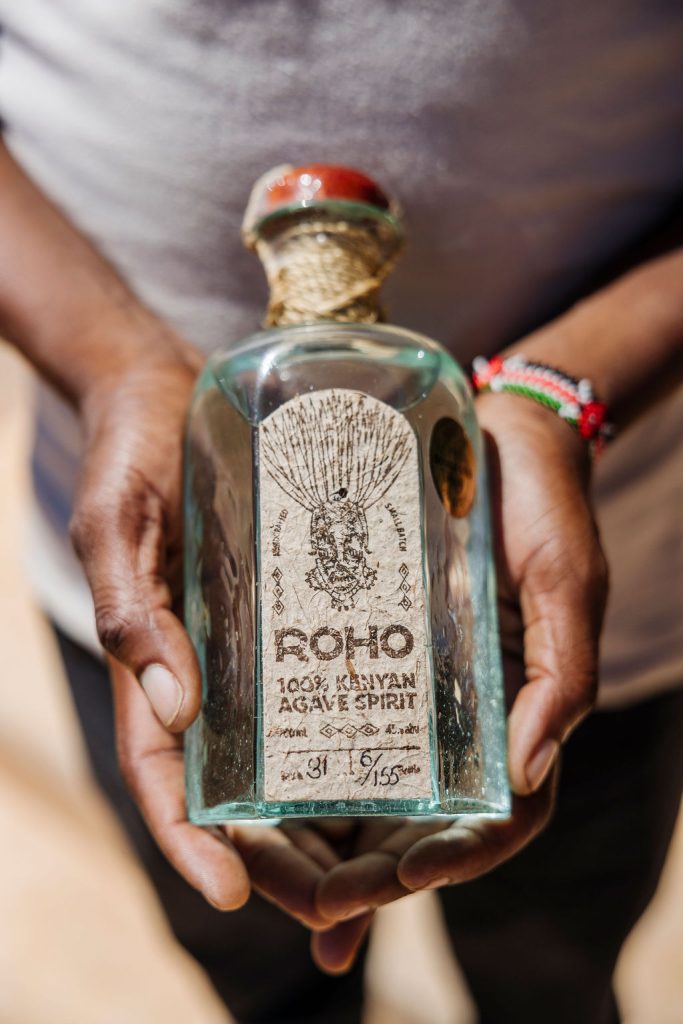
A bottle of the ROHO mezcal, the beautiful glass bottle is made from recycled glass blown at the Green Thing's Hot Shop.

Only 30 percent of the land will be developed, while the remaining 70 percent stays green. Running through the centre of Green Heart is the Green Corridor, a 100-acre protected landscape where more than 60,000 indigenous trees have already been planted, with more added every week in the rainy season. Walking and cycling paths connect homes, cafés and businesses beneath growing tree cover. The difference is immediate. The air feels cooler. Cars become secondary to walking or cycling. The landscape itself changes the pace of daily life.

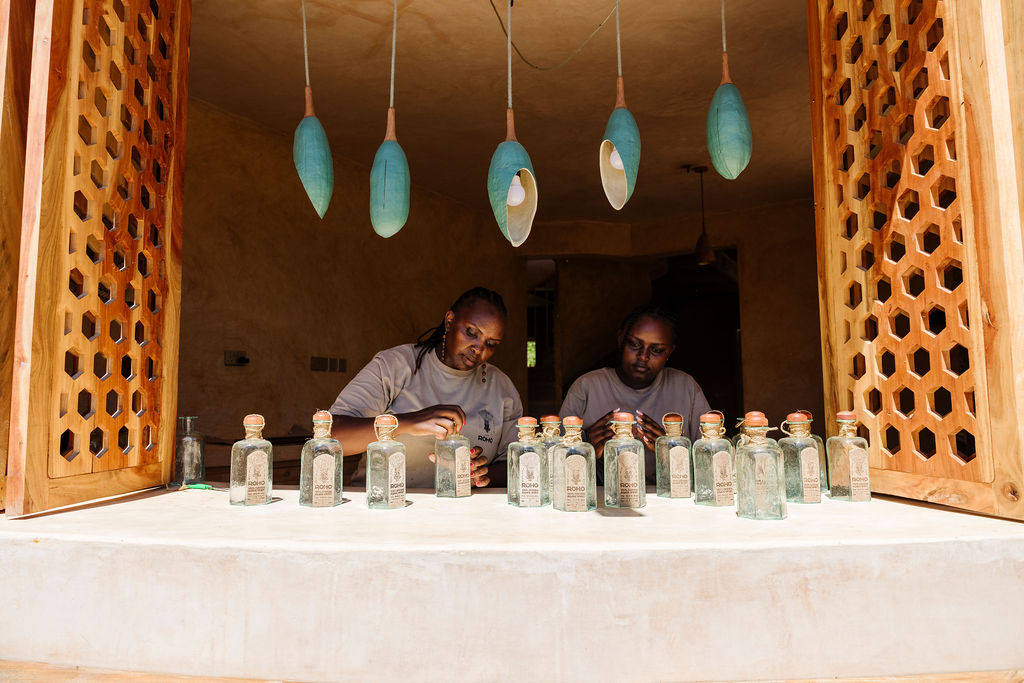
Caroline and Pricilla, the production team at ROHO getting the bottles ready.

Nearby, Kivukoni International School has become another important part of Green Heart’s growing international community. Families moving from other parts of Kenya and abroad increasingly see Kilifi not as a temporary coastal chapter, but as a realistic long-term base for raising children. The school has grown alongside the families settling in the area. Its new secondary school campus is opening for a simple reason: many parents who relocated to Kilifi no longer want to leave once their children grow older — unwilling to compromise on quality education, they choose to have their children continue at Kivukoni rather than move away.

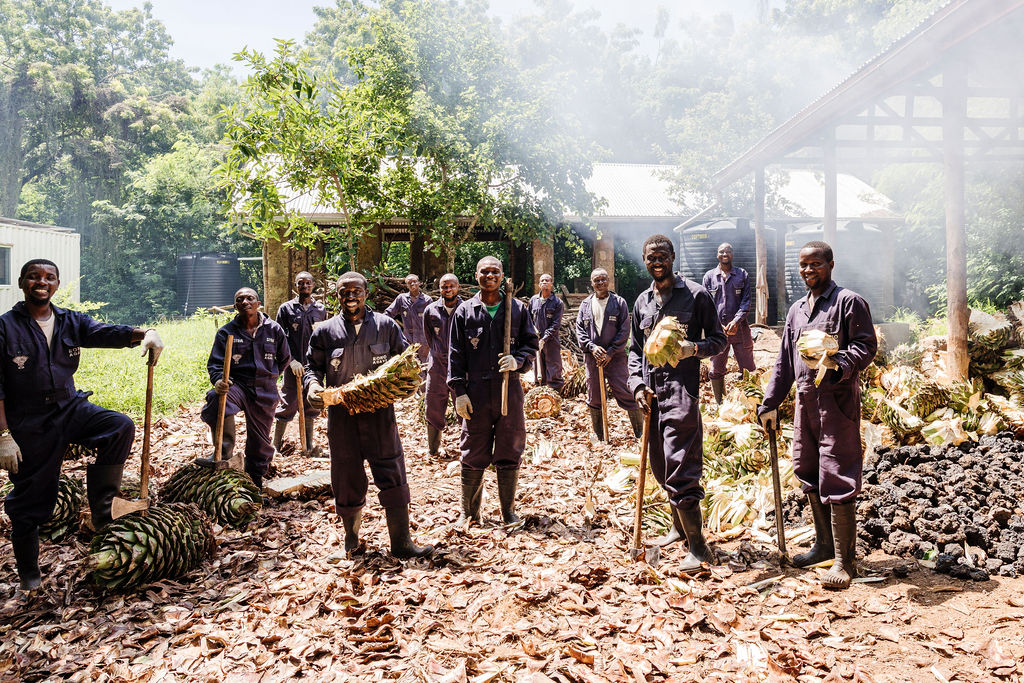
David Kitsao and his team from ROHO pose for a photo at the sisal cooking site.

“Children here grow up with a completely different sense of space and independence,” says one member of the Kivukoni community. “Families are looking for more outdoor life, more creativity and more connection between education and everyday living.”

Nestled among mangroves near Takaungu Creek, the school reflects many of the same principles shaping Green Heart itself. Students participate in marine conservation, reforestation and outdoor learning, while the surrounding environment becomes part of everyday education rather than something separate from it. “The idea was to create a place where all of those things could exist together naturally,” says CEO and Co-Founder Lachie Gordon Athié.

That philosophy becomes especially visible through the businesses operating inside Green Heart itself. ROHO Distillery sits within Green Heart’s Export Processing Zone, producing a distilled agave spirit using discarded sisal hearts sourced from the surrounding area — the same sisal that lines every road into Kilifi, long harvested for its fibre and then discarded. The roasting pit is built from volcanic stone brought from Kilimanjaro — dark, dense rock that holds heat for hours as the fleshy sisal hearts caramelise slowly inside, filling the air with something between molasses and smoke.

“Sisal has always belonged to this landscape,” says Phil Lowe, founder of ROHO Distillery. “We’re simply looking at it differently now.” Lowe first discovered mezcal in a small bar in Tijuana nearly a decade ago and became fascinated by the possibility of creating a Kenyan agave spirit rooted in local sisal production. What followed were years of experimentation and trial and error, eventually leading to the creation of ROHO at Green Heart.

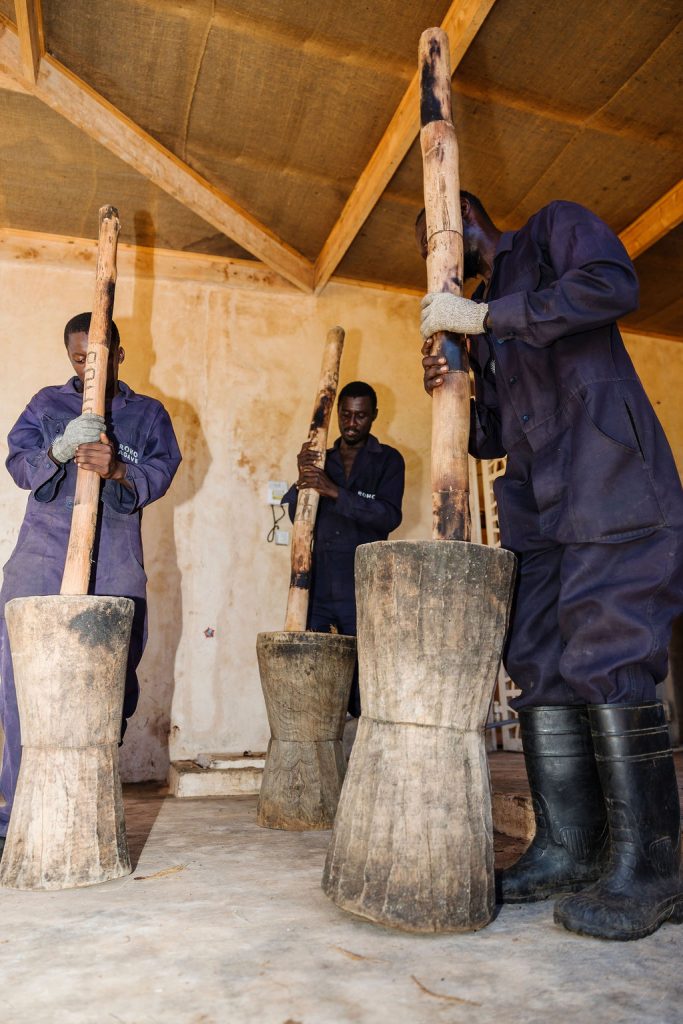
ROHO now employs more than twenty Kenyans from Kilifi, many of whom had never encountered agave distillation before joining the project. “This used to be women’s work in the home,” says David Kitsao, who leads the pounding team at the distillery. “Now we pound sisal and we do it without shame. We are proud.”

“The idea was to create a place where all of those things could exist together naturally”

ROHO’s collaboration with Greenthing, founded by Nelly Gesare Oteki, extends that ecosystem even further. Bottles are produced from recycled glass sourced from Dandora, linking waste collection, craftsmanship and manufacturing into the same circular economy. “In my village, the women were doing most of the house planning,” says Oteki. “Why do people think women cannot run countries? Today, we must demonstrate that women have value.”

Oteki founded Greenthing in Nairobi before becoming part of the Green Heart community herself. She has since bought a plot in the Green Heart Village, Green Heart’s residential neighbourhood, where she plans to build her future home — using sustainable building methods, solar power and careful husbandry of land that reflect the same values running through everything here. 

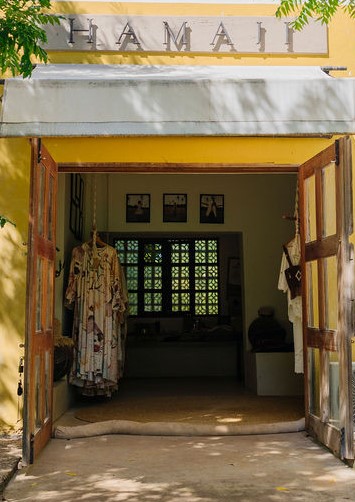
Hamaji, one of the designer shops that sits at The Food Movement.

“I have found everything I need here,” she says. “Sustainable building, solar power, careful husbandry of land, and community.”

For Oteki, Green Heart also represents a different relationship between business and people. “Every product label should tell its full story,” she says. “For me, that’s its real value.”
Across Green Heart, these kinds of relationships appear constantly. Residents know who designed the furniture in the café, who planted the trees, who restored the old Defender parked outside or who produced the bottle placed on the dinner table that evening.

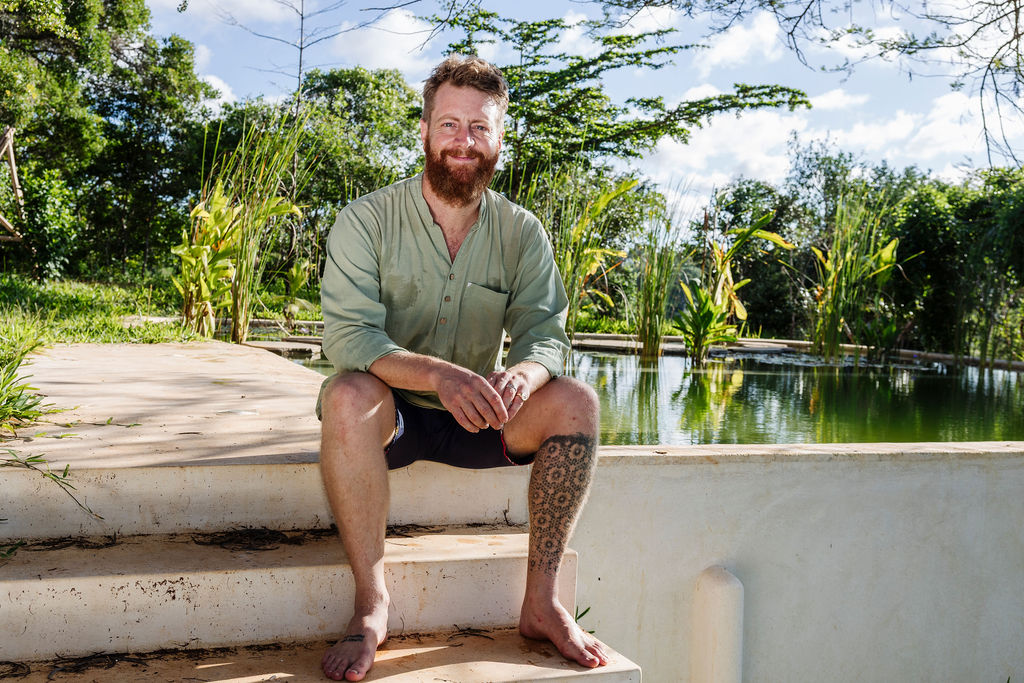
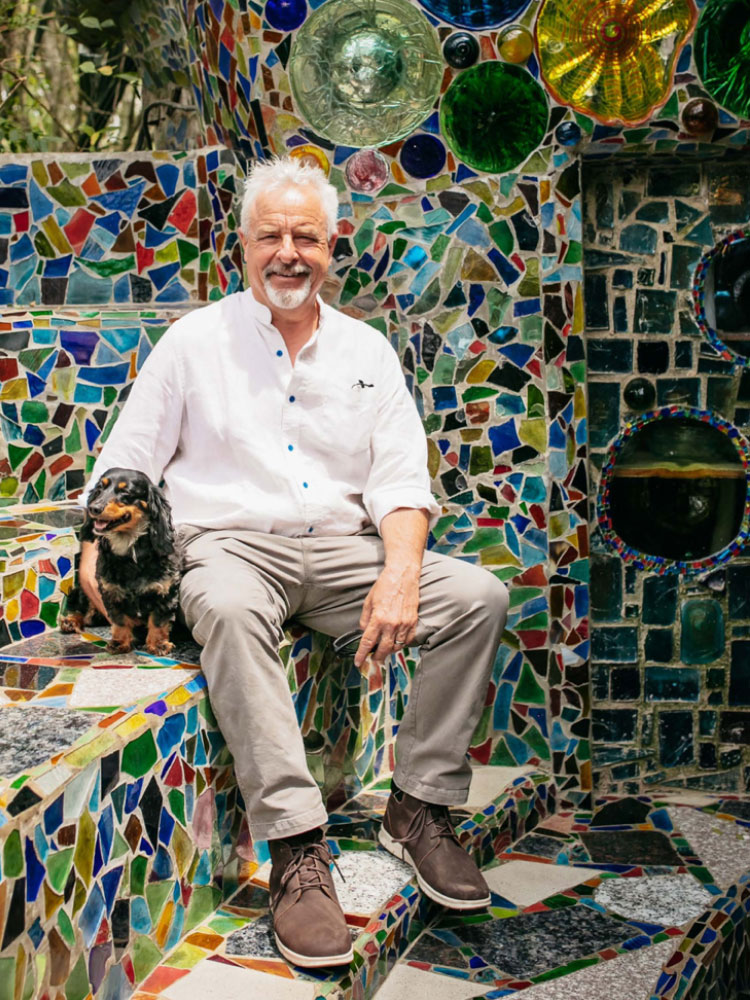
Green Heart's CEO and Co-Founder, Lachie Gordon Athié poses for a photo at his home in one of Green Heart's neighbourhoods.

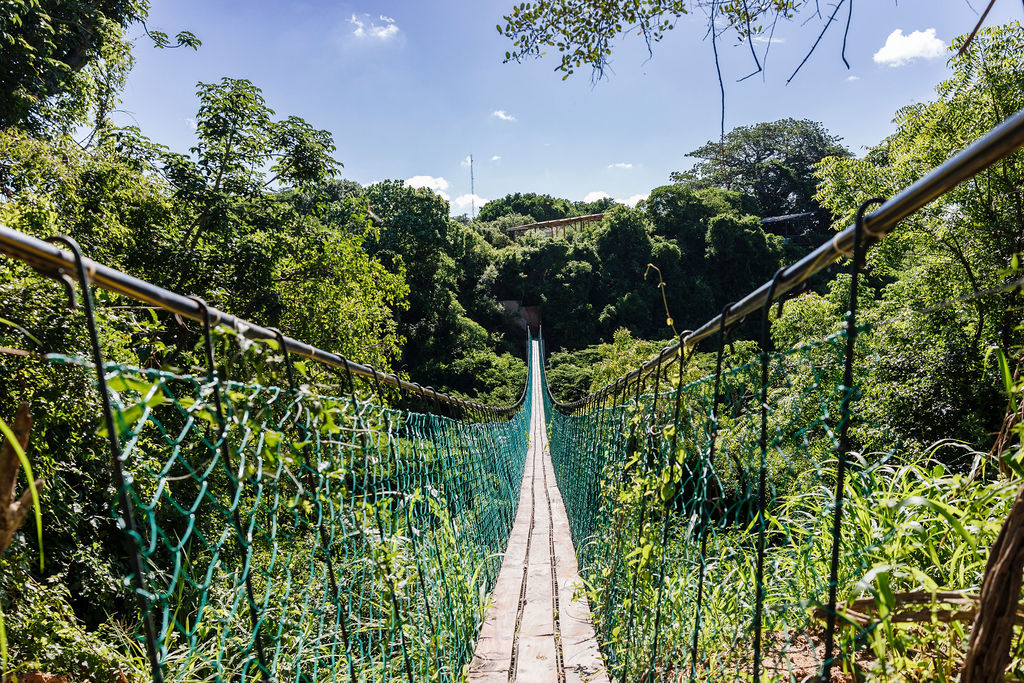
A footbridge connects Green Heart to Beneath the Baobabs, home to Baobab Studio and one of Kilifi’s best-known cultural venues, known for its live music, full recording studio, creative gatherings and open-air events beneath the trees. Nearby, The Twisted Fig restaurant serves fresh seafood and coastal-inspired dishes around a baobab believed to be nearly two thousand years old — to sit beneath it in the evening, with the creek catching the last of the light, is to understand something about why people keep choosing to stay.

The landscape remains central to the identity of the town. Baobabs, open spaces and existing vegetation are preserved rather than cleared away to maximise construction. Some homes in the area are built from coral stone — a tradition along this coast stretching back hundreds of years — their thick walls keeping interiors cool even in the height of the day, their texture carrying the marks of the reef from which they came.

Jo Nyagah, Head of Experience at Green Heart, believes this balance between professional ambition and quality of life is part of what continues to attract people to Green Heart.
“The value of building a life at Green Heart is not just about building a home but building a vision,” she says. Green Heart is still growing. Trees continue to be planted every week. New businesses continue to open. More homes, shared spaces, playgrounds and community areas are taking shape across the development. Yet despite that growth, the atmosphere remains personal and human in scale.

Nothing feels frozen or overplanned. The community grows through shared projects, shared space and everyday life. Perhaps that is what Green Heart ultimately offers: not escape from modern life, but the possibility of organising it differently. More time outdoors. More meaningful work. More spontaneous conversation. More independence for children. More connection between people.

In a world shaped by speed, Green Heart offers another way to live. And that is exactly why people are coming. □

Discover More



MUST READ