Search Luxury Life Kenya

Generic selectors
Exact matches only
Search in title
Search in content
Post Type Selectors


The Return of Tangibility — Why The Physical World Is Finding Its Way Back.


By LLK Digital

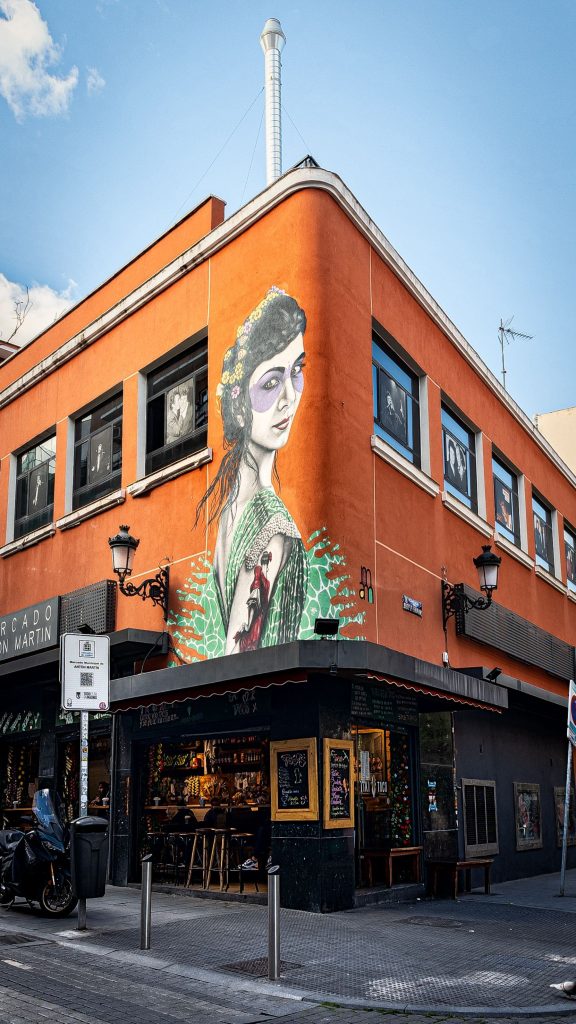
Earlier this summer, LLK’s Editor-in-Chief spent a few days in Madrid. Between visits to some of the city’s world-class museums, she wandered into neighbourhood bookshops, tiny record stores, magazine kiosks and stationery shops that still sold postcards.

One thing became impossible to ignore.

They were full.

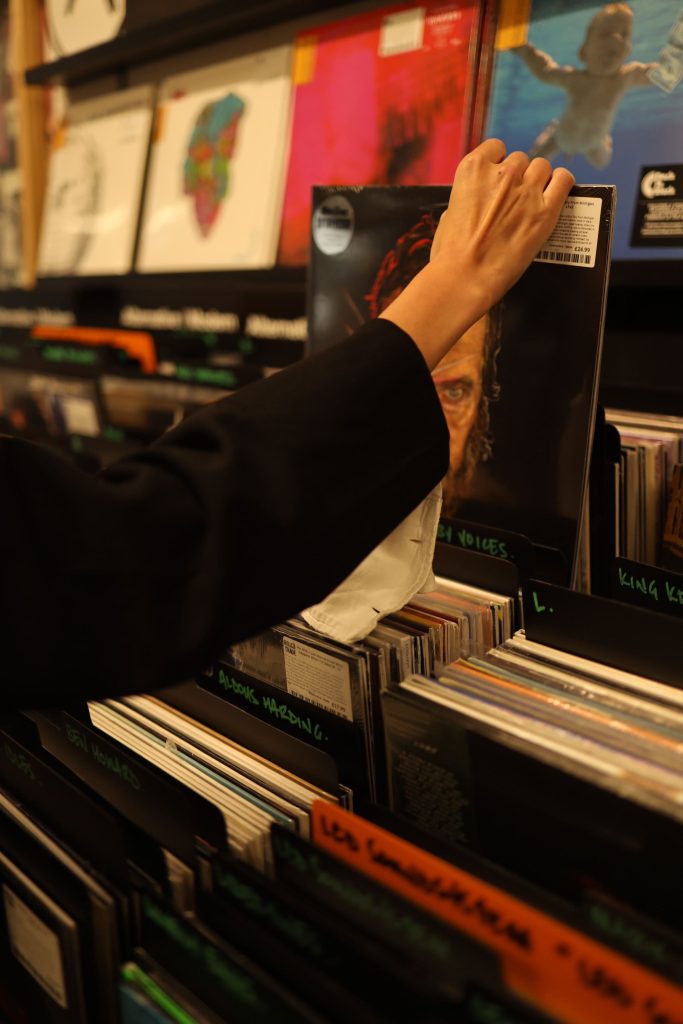
Not with tourists chasing nostalgia, but with twenty-somethings flipping through vinyl records, carefully choosing magazines and debating which book to take home.

For a generation that grew up with Spotify, Kindle and TikTok, it seemed oddly… analogue.

Or maybe not.

We’ve spent the last fifteen years trying to make life frictionless.

One click. One tap. Instant delivery. Unlimited streaming.

Everything became faster.

Somewhere along the way, it also became forgettable.

Think about it.

How many photos are sitting on your phone that you’ll never look at again?

How many playlists have you “liked” without remembering a single song?

How many articles have you read this week that disappeared from your mind before you finished scrolling?

Digital gave us abundance.

But abundance isn’t the same as attachment.

Now the pendulum is swinging back.

Vinyl records.

Independent bookstores.

Printed magazines.

Film cameras.

Coffee table books.

Postcards.

None of these should make sense in 2026.

And yet they do.

Because they’re asking us to do something we’ve almost forgotten.

Slow down.

The surprising part?

The people driving this movement aren’t the ones who grew up with cassette tapes or printed encyclopaedias.

It’s Gen Z.

A generation that has never known a world without smartphones is choosing things that can’t be downloaded.

Not because they’re nostalgic.

Because they’re different.

Owning a record feels different from renting music.

Writing in a notebook feels different from typing into Notes.

Browsing a bookshop feels different from searching Amazon.

The experience is the product.

Maybe that’s why cafés have become offices, galleries have become social spaces and independent markets feel more exciting than shopping malls.

People aren’t only looking for things to buy.

They’re looking for places to belong.

⸻

This feels particularly relevant in East Africa.

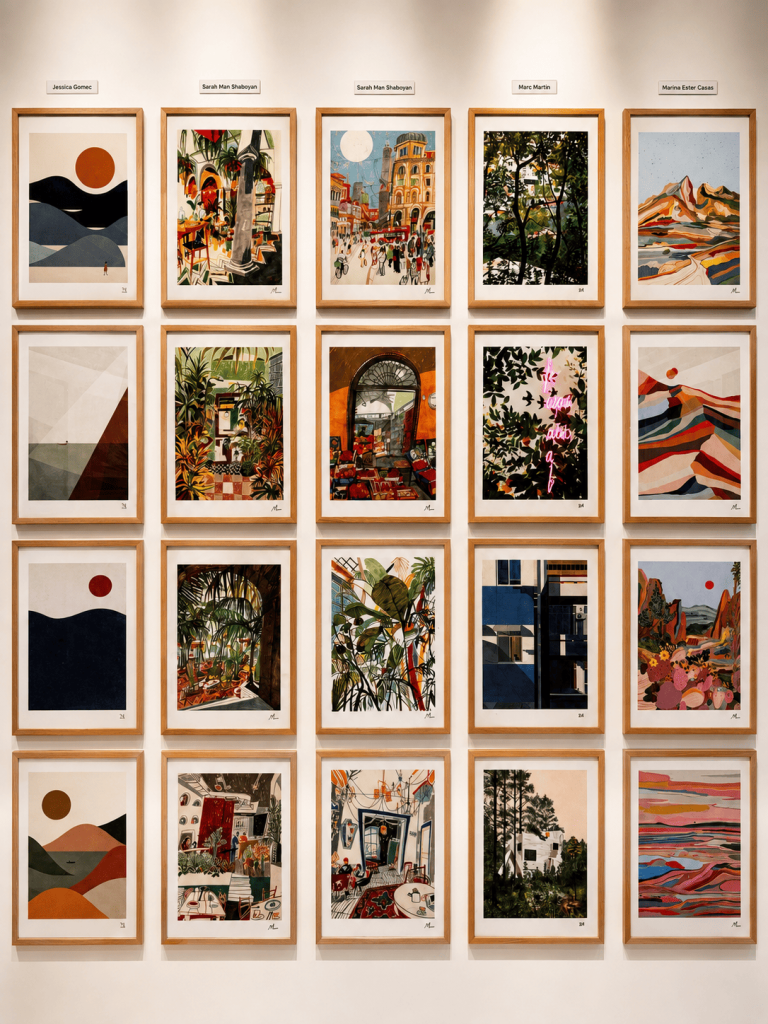
Across Nairobi and beyond, a new creative generation is building exactly these kinds of spaces. Independent cafés. Design markets. Pop-ups. Book launches. Creative studios. Places where conversations happen before they become content.

Our creative economy is growing, but perhaps more importantly, our cultural confidence is growing with it.

We’re becoming more intentional about what we create, what we preserve and what we celebrate.

At LLK, that’s the conversation we’re most interested in.

Not simply documenting what’s new, but understanding why culture shifts in the first place—and what those shifts mean for East Africa.

Because if the digital era taught us how to connect with the world…

Perhaps the next chapter is about reconnecting with the things we can actually hold. □


MUST READ