Search Luxury Life Kenya

Generic selectors
Exact matches only
Search in title
Search in content
Post Type Selectors
Ra by Rushina


FASHION

RA BY RUSHINA —

STORYTELLING WITH

TEXTILES AND TRADITION

 
WRITTEN BY SOPHIE CARREL
PHOTOGRAPHY BY ASHTON ALLERT & TALISA LANOE
 

Fusing modern edge with ancient energy, Ra by Rushina is inspired by the timeless power of the sun god Ra. A fashion label at its core, the brand creates clothing, hardware, and ceramics that honour the hand and histories behind them.

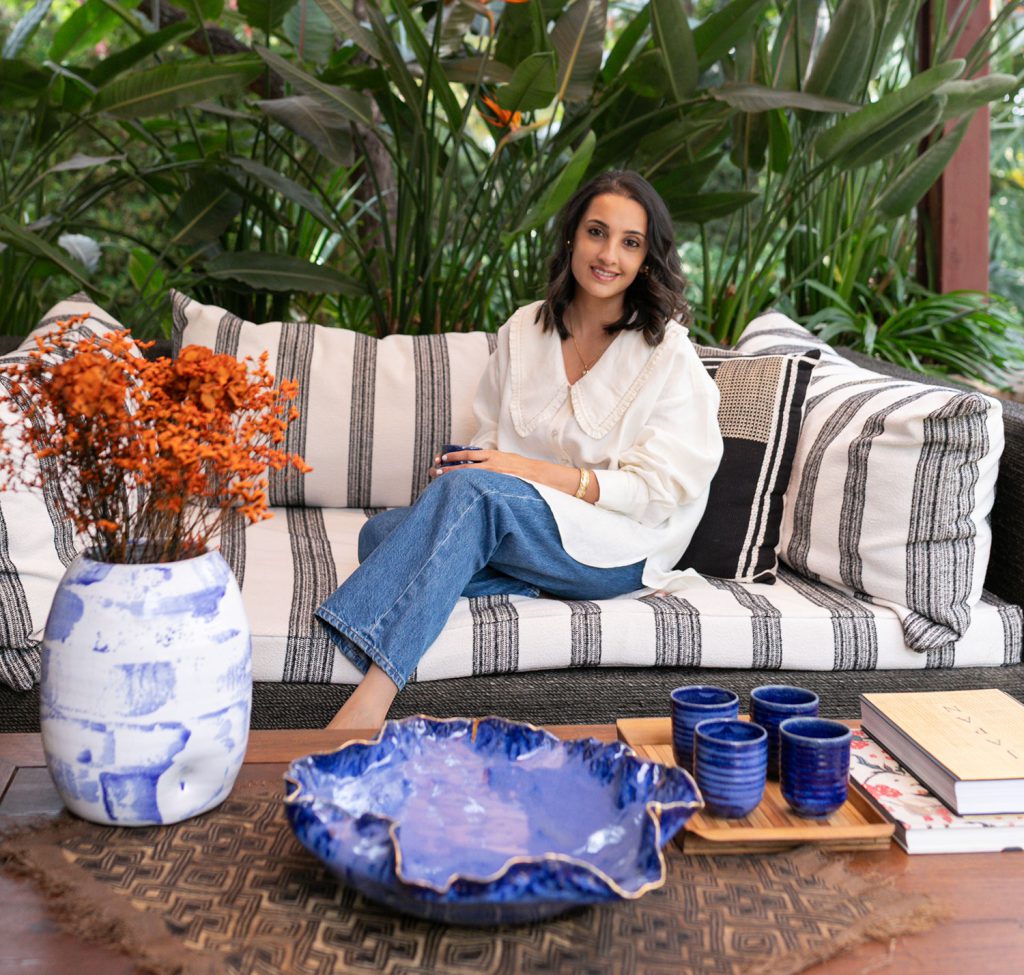
Designer Rushina Behal in her Nairobi home

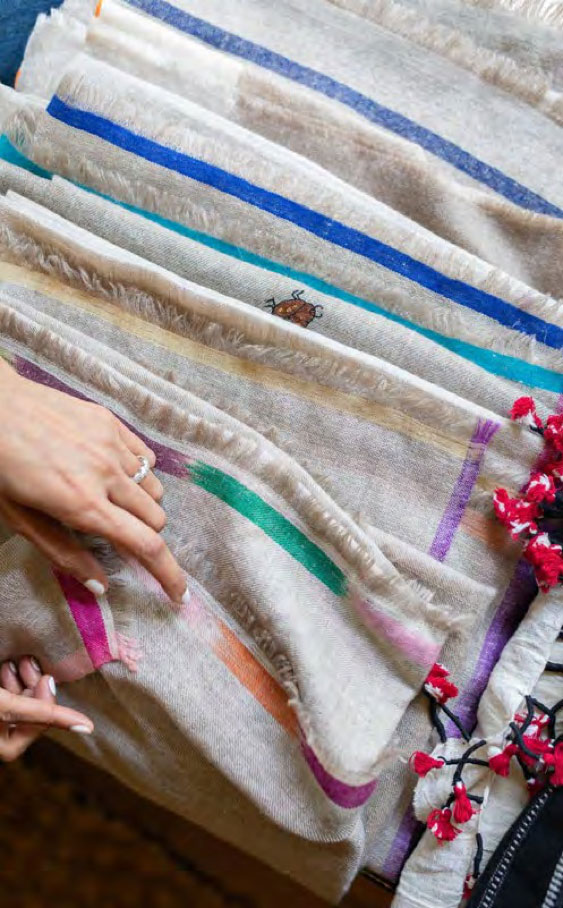
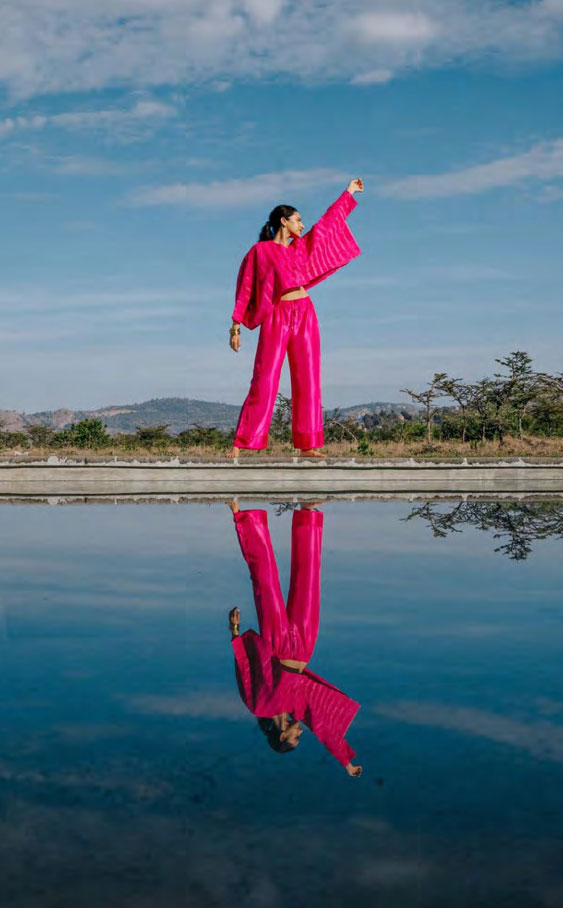
In a sunlit, neutral-toned studio tucked into a leafy Nairobi suburb, an oversized, iridescent fuchsia shirt catches my eye. As designer Rushina Behal runs her hands over rows of silks and cottons, she welcomes me into her creative haven — a space where tradition, texture, and storytelling intertwine.

Celebrating heritage techniques such as hand- spinning, hand-loom weaving, and hand-casting, Ra also remains attuned to the present by producing small-batch, slow-made pieces that are composed with care for both the craft and the environment. “The same design gestures flow between homeware and clothing: a respect for material and an embrace of handcraft,” shares Rushina. “In clothing, that might be a hand- pleated fold or a generous drape. In homeware, it might be the curve of a vessel or the texture of the brass. Both are about creating pieces that live with you – tactile, timeless, and rooted in process.”

Ra’s story began not as a brand but as a curiosity to explore different art mediums, methods, and techniques. Rushina’s first collection was a passion project, nearly 15 years ago, inspired by bumblebees and the geometric shapes of honeycomb. Working with local artisans in Nairobi’s Kibera, she developed a jewellery line using recycled brass, horn, wood, thread, and precious stones. To this day it’s one of her most treasured collections, with elements preserved in her box of archives. Little did she know that this project was laying the groundwork for Ra, and that those same artisans would become an integral part of her brand’s craftsmanship and storytelling.

Years later, after completing her degree in knitwear and gaining experience in the industry – learning from independent designers in New York and global retailers in London – Kenya was calling her home. As the stillness of the pandemic set in and local artisans struggled to find work, she turned to her hands for movement and began creating again. First, by reigniting her love for pottery and making pieces for her home and friends, before revisiting her early jewellery designs and collaborating with her local brass-makers. The experimentation with methods and textures led her to design her own clothing line, which was inspired by her final collection at university – a full circle moment. With the support of Tribal Gallery and local artisanal pop ups, Ra came to life.

In clothing, that might be hand-pleated fold or a generous drape. In homeware, it might be the curve of a vessel or the texture of the brass. Both are about creating pieces that live with you — tactile, timeless, and rooted in process.”

The brand became known for its thoughtfully designed linen pieces, and today its classic collection grounds Ra in everyday elegance and wearability. Sourced from a carbon-neutral, fifth-generation family weaving mill in Belgium that grows the flax, spins the yarn, and dyes the fabric, the stitching and finishing are all then handcrafted in Kenya. And the hardware? You guessed it – the same brass-makers from Kibera. The classic collection lends itself well to Kenya’s environment and weather, and speaks to pieces that span all seasons. While linen will remain a staple in the collection, and colours and styles will continue to evolve, Rushina is also focused on experimenting with different textures and textiles. “For me, it’s less about one fabric and more about the endless possibilities.”

Recently she’s been playing with hand-loom cottons and hand-dyed silks, exploring new weaves and stitching processes for her elevated and expressive capsule collection. Her current obsession is a hand-pleating technique known as pintucking. “The possibilities are endless”, she reveals with excitement. “From structure and volume to texture and movement, it transforms fabric in unexpected ways.”

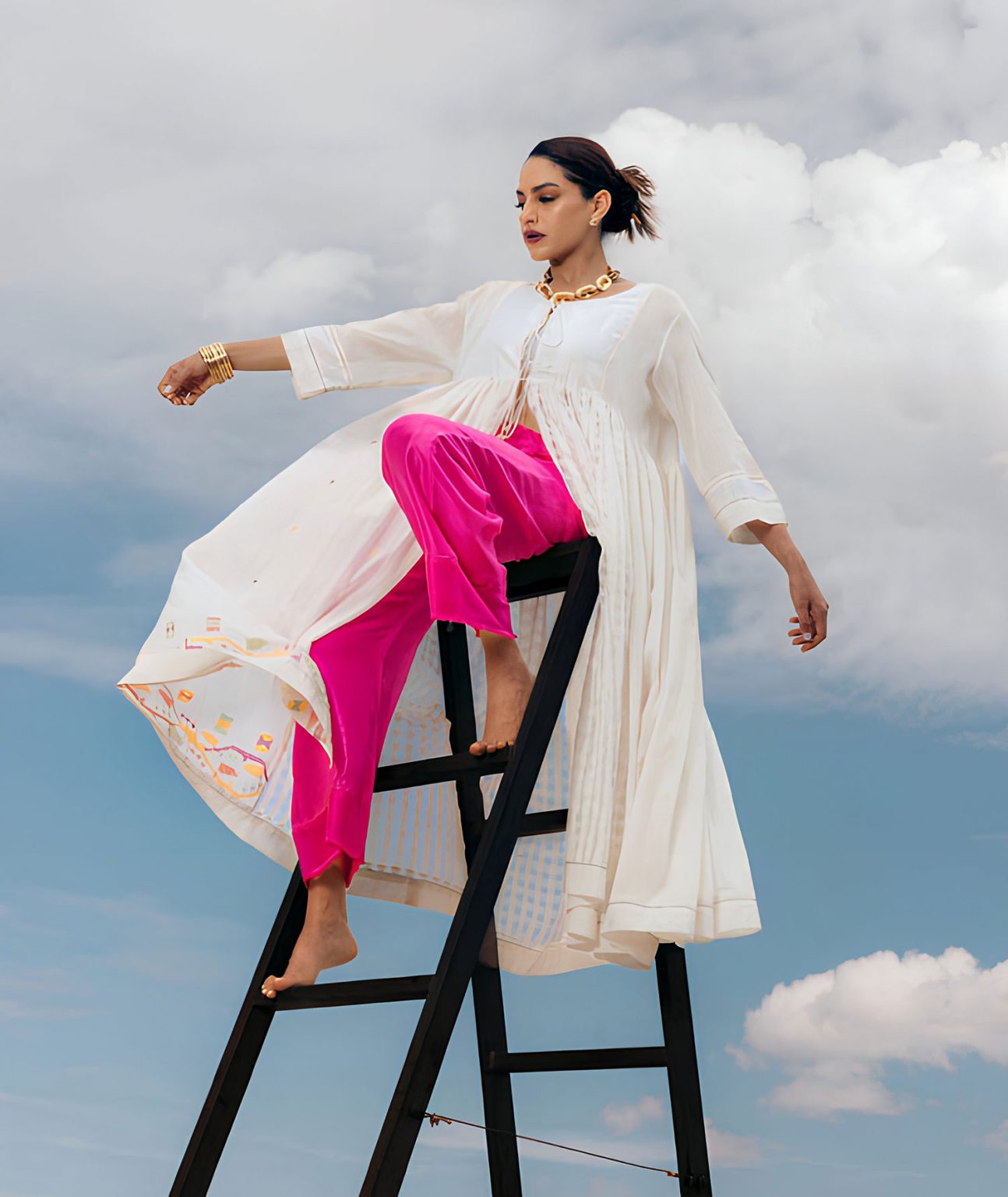
Produced in India, the capsule collection is Rushina’s creative outlet for experimentation and self-expression. Through her use of bold colours and intricate textures, she’s able to invite the client into her world. With new designs released only once a year in small, considered runs, each piece feels more like a collector’s item than a seasonal trend.

When it comes to the design process, the fabric always comes first. Since the pieces are textile-led, the process often dictates the outcome – allowing the collection to organically take shape as it’s being made. In the current capsule collection, a silk cape is finished with a brass detail at the hem – a once-unintentional feature that emerged when Rushina removed her earring and added it to the sample to give the fabric the weight it needed.

Handmade design is always a dialogue between maker and material. And at Ra, even the gentle imperfections of that dialogue are embraced. “The feeling that no two garments are ever quite the same – each one carrying the quiet signature of the hands that made it – is what makes each piece alive and unique.”

The process of making a single Ra piece is far-ranging, passing through many different artisans’ hands. Right now, the current batch of silk to be hand-dyed has been put on hold for three weeks due to Delhi’s heavy rainfall.”I could move to a faster, more factory-led dyeing process, but there’s intention in doing it this way — letting the sun set the pace,” Rushina says. From fibre to finish – whether a linen shirt, a brass necklace, or a silk dress – each piece carries a lineage of care, community, and sustainability.

Living consciously and in harmony with nature is at the core of Ra’s mission. It’s why Rushina chooses to let the weather – not machinery – dictate when her silks are ready to dye, and why every offcut is reimagined as part of a new story.

With her brand so deeply rooted in tradition, preserving the skill sets of the artisans she collaborates with is incredibly important. “The method is what fascinates me the most. The method of making textiles.” And the same goes for future collaborations. She muses that whether it’s master craftspeople keeping a technique alive, or contemporary makers reinterpreting traditions – heritage and experimentation must be at the heart of it.

That same spirit of care and continuity shapes how Rushina approaches the world beyond design. It’s important to her that the values behind her brand reflect substance as much as style. Tumaini Trust, founded by Talitha Puri Negri, provides education and training to children in Korogocho, one of Kenya’s most vulnerable communities. The brand currently sponsors a first-year university student pursuing a Bachelor of Medicine and Bachelor of Surgery degree. “Supporting Tumaini Trust is a way of aligning my creative journey with something larger — helping to shape lives and futures,” she shares. “I believe every child deserves the chance to learn, grow, and dream beyond their circumstances – and education is the foundation for that.”

Born from a deep love of curiosity and creation, Ra is a space where heritage, sustainability, and design seamlessly meet. Through her work, Rushina weaves together the stories of her ancestors, the communities that shaped her, and her own artistic expression – inviting us to slow down and find beauty in the journey. “When you honour the process, the community, and the meaning behind the technique, the work naturally transcends the trend.” 


MUST READ